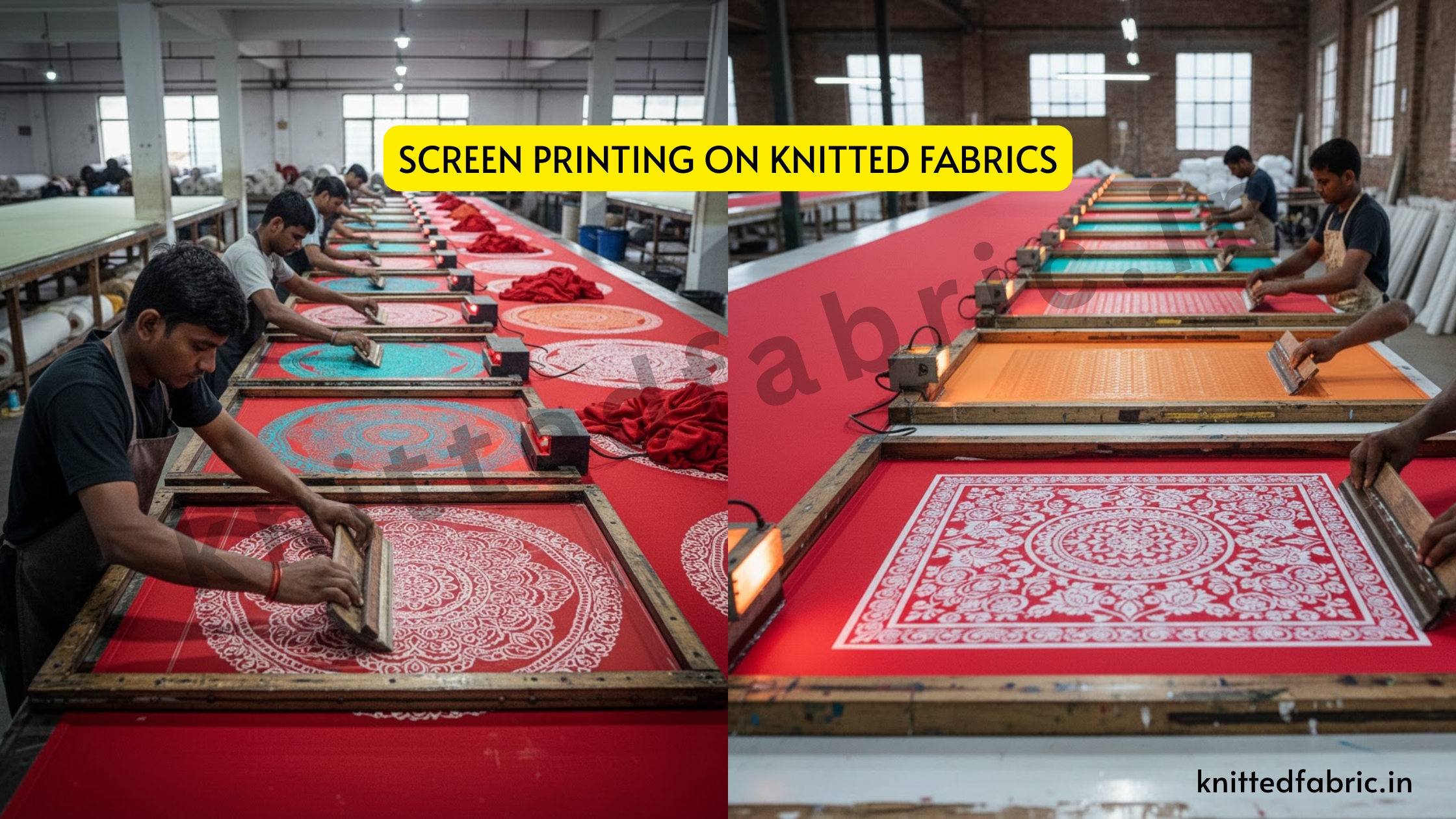
Welcome back to Knitted Fabric.in! In the world of textile decoration, screen printing stands as a classic and versatile technique, allowing for vibrant designs and intricate patterns on a wide array of fabrics. While it’s commonly associated with woven materials, screen printing on knitted fabrics is equally popular – just think of almost any graphic T-shirt or hoodie you own!
However, working with the inherent stretch and unique texture of knits presents its own set of challenges and specialized techniques. For those of us keen on understanding how those striking designs appear on our favourite comfy garments, let’s dive deep into the art and science of screen printing on knitted fabrics.
What is Screen Printing? A Quick Recap
Before we talk about knits specifically, let’s briefly recap the screen printing process:
Screen printing, also known as silk screen printing, is a stenciling method where ink is forced through a mesh screen onto a substrate (in our case, fabric).
- Screen Preparation: A mesh screen (traditionally silk, now often polyester) is stretched over a frame. A stencil of the design is created on this screen, blocking off areas where ink should not pass through.
- Placement: The fabric is laid flat on a printing platen (board).
- Ink Application: Ink is placed on the screen.
- Squeegee Action: A squeegee is used to pull the ink across the screen. This action forces the ink through the open (non-stenciled) areas of the mesh, directly onto the fabric below.
- Curing: The printed fabric is then sent through a dryer or heat press to cure the ink, making the design permanent and washable.
This layered process allows for crisp designs and vibrant colours, with each colour in a multi-colour design requiring a separate screen.
The Unique Challenges of Screen Printing on Knitted Fabrics
Knitted fabrics, with their characteristic looped structure, behave very differently from stable woven fabrics. This stretchiness and texture introduce several considerations for screen printers:
- Stretch and Distortion: This is the biggest challenge. Knits inherently stretch. If the fabric stretches during printing, the design can become distorted, crack, or lose detail once the fabric relaxes.
- Fabric Instability: Knitted fabrics can move or shift on the platen more easily than wovens, leading to misregistration (colours not lining up correctly) or blurred prints.
- Ink Penetration and Coverage: The open, looped structure of some knits can cause ink to penetrate too deeply, bleeding through to the back, or result in patchy coverage if the ink isn’t optimized.
- Handfeel (Feel of the Print): Knits are prized for their softness and drape. A heavy, stiff print can ruin this, making the garment uncomfortable.
- Pilling: Rough inks or improper printing can sometimes exacerbate pilling on certain knitted fabrics, especially fleece.
Mastering the Art: Techniques for Quality Screen Printing on Knits
To achieve excellent results on knitted fabrics, printers employ specialized techniques and materials:

- Proper Fabric Tensioning:
- Platen Adhesive: A strong but temporary adhesive (like spray tack or water-based adhesive) is crucial to hold the knit fabric firmly in place on the platen, preventing movement and stretch during printing.
- Minimal Stretching: Operators must ensure the fabric is laid flat without being stretched. Laying it relaxed is key.
- Ink Selection is Crucial:
- Plastisol Inks: These are widely used due to their opacity and vibrant colours. For knits, specialized soft-hand plastisol inks or low-bleed plastisols (for fabrics that tend to bleed dye into the ink) are preferred. They sit on top of the fabric.
- Water-Based Inks (Discharge & Soft Hand): These inks penetrate the fabric more and become part of it, resulting in a much softer handfeel.
- Discharge Inks: Remove the dye from a dark fabric and replace it with the ink’s pigment, creating an incredibly soft, vintage look. Best for 100% cotton knits.
- Soft Hand Water-Based Inks: Designed for a natural feel, great for lighter fabrics.
- Stretch Additives: For highly stretchy knits like rib, specific additives can be mixed into the ink to give it more elasticity, preventing cracking when the fabric stretches.
- Screen Mesh and Emulsion:
- Lower Mesh Counts: Often, a slightly lower mesh count (e.g., 110-160 threads per inch) is used for printing on knits, especially for base layers, to allow more ink to pass through for good coverage on the textured surface.
- Thicker Emulsion: A thicker layer of emulsion on the screen can create a larger ink deposit, helping to “fill” the valleys in the knit structure for a smoother print.
- Squeegee Technique:
- Lower Pressure: Excessive squeegee pressure can push ink too deep into the fabric, causing bleed-through or reducing print crispness.
- Proper Angle: A consistent squeegee angle ensures even ink deposit.
- Flood Stroke: A “flood stroke” (gently pushing ink across the screen without downward pressure) helps fill the mesh openings before the print stroke, leading to better coverage.
- Flash Curing and Curing:
- Flash Curing (Intermediate Drying): For multi-colour designs, a quick flash cure between colours stabilizes the previous layer, preventing smudging and ensuring clean registration for subsequent colours.
- Thorough Curing: Proper final curing is essential. If the ink isn’t fully cured, it will wash out or crack easily. However, overheating can damage delicate knits. Temperature and dwell time must be precise.
Popular Knitted Fabrics for Screen Printing
While the techniques above allow printing on many knits, some are more common:
- Cotton Jersey Fabric: The king of T-shirts! Excellent for screen printing with most ink types, offering good absorption and a classic look.
- Cotton-Poly Blends (Jersey, Fleece): Offers a balance of cotton’s printability and polyester’s durability. Special attention to low-bleed inks might be needed to prevent dye migration from polyester.
- French Terry Fabric: Popular for hoodies and sweatshirts, providing a good surface for designs.
- Fleece Fabric: Can be screen printed, but often requires a thicker ink deposit and careful technique to achieve good coverage on its fuzzy surface, while maintaining a soft hand.
Ensuring Quality: What to Look For
When evaluating a screen-printed knitted garment, look for:
- Smooth Handfeel: The print should feel soft and integrated with the fabric, not stiff or like a thick plastic layer.
- No Cracking: The design should not crack when the fabric is gently stretched.
- Sharp Edges: Lines and details should be crisp, not blurry or feathered.
- Consistent Colour: The colour should be uniform across the entire design, without patches or unevenness.
- No Bleed-Through: Ink should not visibly show through to the inside of the garment.
Conclusion
Screen printing on knitted fabrics is a highly skilled process that beautifully combines art and science. By understanding the unique properties of knits and employing specialized techniques, printers can transform a simple piece of fabric into a canvas for creative expression.
So, the next time you admire a vibrant design on your favourite knitted T-shirt, you’ll know it’s not just ink on fabric, but a testament to precision, expertise, and a deep understanding of textile dynamics.
Stay stylish and informed with Knitted Fabric.in!